

Understanding Arthritis-Related Knee Pain and Its Triggers
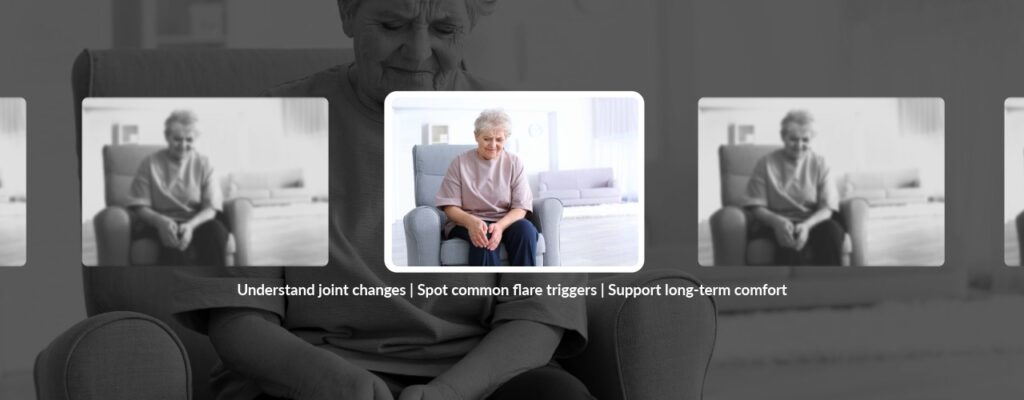
For many individuals, managing arthritis knee pain is a central part of maintaining an active and fulfilling lifestyle. This condition involves the gradual breakdown of the tissues that allow our joints to move smoothly and without friction. While it is a common diagnosis, many people find the symptoms and the specific reasons for their discomfort difficult to pin down. Understanding how this condition progresses and what triggers a flare-up is the first step toward regaining control over your daily movement. A clear grasp of the mechanics involved helps you move from a place of uncertainty to a proactive plan for joint health.
Exploring Arthritis in the Knee
At its core, this condition is a change in the environment of the joint. In a healthy knee, the ends of the bones are capped with a slick and resilient tissue called cartilage. This material acts as a shock absorber and a gliding surface. When someone develops arthritis knee pain, that cartilage has begun to thin or change in texture. This change means the joint no longer handles pressure as efficiently as it once did. The body often responds to this change by producing extra fluid or developing small bony growths. These are natural responses to a changing environment, but they can lead to the stiffness and discomfort that patients notice during their normal routines.
Why Joint Changes Happen
Several factors contribute to the development of these joint changes over time. While aging is a common factor, it is rarely the only driver. Previous injuries can alter the way the joint sits and moves, which creates uneven pressure on the cartilage. Genetics also play a role in how resilient your joint tissues are. Furthermore, the repetitive demands of work or specific sports can place a high level of stress on the knee. When these stresses exceed the ability of the joint to recover, the protective surfaces begin to wear down. It is often a combination of your history, your activity levels, and your physical mechanics that leads to the onset of symptoms.
What the Progression Feels Like
The experience of arthritis knee pain varies significantly from person to person. Some people notice a dull ache that is always present in the background of their day. Others experience sharp sensations that only appear during specific movements like climbing stairs or getting out of a low chair. You might notice that your knee feels particularly stiff after you have been sitting for a long time, such as after a movie or a long car ride. Many patients also describe a sensation of grinding or clicking within the joint. These symptoms often result in a loss of confidence in your movement, leading you to avoid the activities you once enjoyed.
What Helps Support Recovery for Arthritis Knee Pain
The most effective approach to managing these symptoms involves a combination of education and movement. While it may feel natural to stop moving when a joint hurts, controlled activity is actually one of the best ways to nourish the cartilage and reduce inflammation. Heat or cold applications can provide temporary relief from the immediate ache. Choosing footwear that supports your natural alignment can also reduce the stress placed on the knee. However, the most sustainable help comes from improving the way your muscles support the joint. Strengthening the surrounding tissues allows the muscles to take on more of the workload, which protects the sensitive areas within the knee.
What the Evaluation at Our Clinic Looks For
When you visit us for an evaluation, we look at the knee as part of a larger system. We do not just focus on the area of discomfort. We look for specific findings that explain why the joint is under stress.
Movement Symmetries
- We check if one leg is moving differently from the other during daily tasks.
Muscle Support
- We evaluate the strength of the quadriceps and glutes to see if they are providing enough stability.
Joint Glide
- We assess how well the bones of the knee are moving against one another.
Balance and Coordination
- We observe how your body reacts to changes in surface or position to ensure you are moving safely.
How Treatment and Physical Therapy Help
Physical therapy is a vital tool for managing arthritis knee pain because it addresses the root causes of mechanical stress. Our goal is to improve your function so that you can return to your favorite hobbies without constant worry. We use specific exercises to build a natural brace of muscle around the knee. This support reduces the bone-on-bone pressure that often causes the most intense pain. We also focus on gait training to ensure your walking pattern is not placing unnecessary strain on the joint. By improving your overall mechanics, we help you move more efficiently and with much more comfort.
When to Seek Professional Care
It is important to seek a professional opinion before your symptoms begin to limit your life significantly. If you find yourself skipping social events or avoiding stairs because of your knee, it may be time for an assessment. There are also specific red flags that require earlier attention. If your knee joint becomes red, hot to the touch, or severely swollen, you should contact a clinician right away. Likewise, if the joint feels like it is going to give out or lock in place, a professional evaluation is necessary to ensure the safety of the joint structures. Early intervention is the key to preserving the cartilage you have and staying active for years to come.
Schedule Your First Appointment Today
If you are ready to address your arthritis knee pain, your first visit will be focused on a conversation and a thorough physical exam. We will talk about your goals and what you want to get back to doing. You will leave that first appointment with a clear understanding of why your knee hurts and a specific plan to help you feel better. We believe in a collaborative approach where you are an active participant in your own recovery. Our team is here to coach you through every step of the process.
Contact our clinic to schedule an evaluation and begin your journey toward better movement!