

What Knee Instability Feels Like
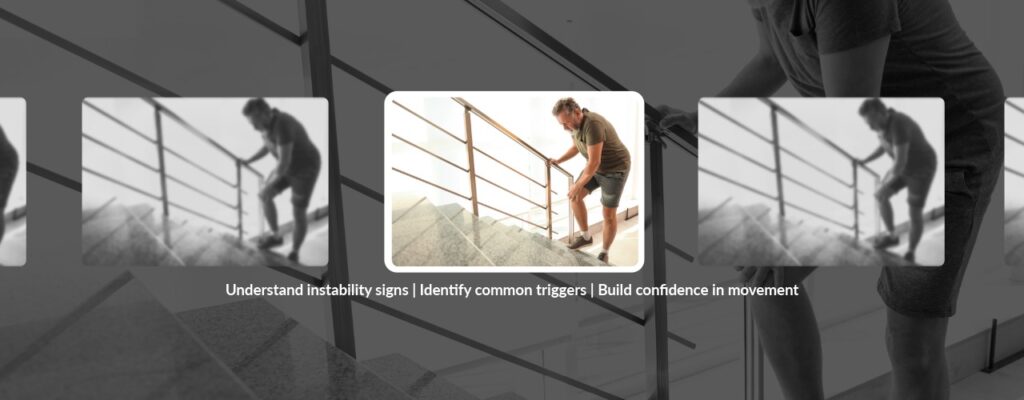
If you’re like most people, you trust your knees to support every step you take. Unfortunately, a simple movement or wrong step can make that trust disappear. Events like this can lead to a feeling that many adults describe as knee instability, the sensation that the knee might suddenly give out, shift, or fail to support their weight. This feeling can make everyday activities such as walking, climbing stairs, or exercising feel stressful.
If your knee feels unstable or gives out unexpectedly, it often means the structures that normally support the joint are not working together the way they should. Physical therapy at Marketplace Physical Therapy & Wellness Center can help identify what is causing the instability and guide the right treatment.
Why the Knee Joint Feels Unreliable
The knee depends on several structures to stay stable. Ligaments help with stability, while muscles provide strength and control, and nerves send signals to the brain about joint position. When one part of this system stops working properly, the knee may struggle to perform normally during ordinary movement.
This is when instability in the knee can begin to develop. The joint may feel wobbly, weak, or unpredictable. Some people notice it during quick movements like turning or pivoting. Others feel it when they put weight on the leg, like going up and down stairs, or trying to walk on uneven ground.
How Knee Instability Often Starts
For many adults, instability begins after a knee injury. Damage to ligaments such as the ACL or an injury to the meniscus (cartilage) can reduce the joint’s ability to function properly during activity. In other cases, instability develops more gradually from weaknesses or a neurological condition.
Weakness in the muscles around the hips and thighs can reduce support for the knee. Over time, this weakness changes how force travels through the joint. Without enough muscular support, the knee may begin to feel less secure.
What Knee Instability Feels Like During Movement
People experience instability in different ways. Some describe a catching or pinching sensation in the joint. Others say the knee suddenly buckles during walking or when stepping down from a curb.
Common moments when instability becomes noticeable include:
- Walking down stairs
- Pivoting during sports or exercise
- Standing up from a chair
- Walking on uneven surfaces
- Landing after a jump
These situations place extra demand on the knee. If the stabilizing structures are not working properly, the joint may feel unreliable.
Why the Knee Sometimes Feels Like It Might Give Out
The knee reacts to movement quickly through a process called neuromuscular control. This means the muscles surrounding the joint respond instantly when your body shifts weight or changes direction.
When this response becomes delayed or weaker, the knee may struggle to stay aligned. This delay is a common reason people develop knee instability, especially after an injury or a period of reduced activity.
How Muscle Strength Affects Knee Stability
Strong muscles play a major role in protecting the knee. The quadriceps, hamstrings, and hip muscles help guide the joint through movement. When these muscles are weak, the knee absorbs more stress.
Weakness can also affect coordination. The body may not react quickly enough to sudden changes in movement, which increases the risk of instability episodes. Fortunately, physical therapy at Marketplace Physical Therapy & Wellness Center focuses on rebuilding this strength and improving how the muscles work together to stabilize the joint.
How Physical Therapy Identifies the Cause
Physical therapists use movement assessments to determine why the knee feels unstable. They evaluate strength, joint mobility, balance, and coordination. Therapists also watch how you walk, squat, and step to identify movement patterns that stress the knee.
These tests help pinpoint whether the problem comes from ligament injury, muscle weakness, poor movement mechanics, or a combination of factors. Your therapist will design an exercise program that strengthens the muscles supporting the joint while improving balance and coordination.
These strategies help the body respond faster during activity and reduce the risk of the knee giving out. As strength and coordination improve, episodes of knee instability often decrease.
Find Support at Marketplace Physical Therapy & Wellness Center
If your knee repeatedly feels unstable or unpredictable, it is important to seek professional guidance. At Marketplace Physical Therapy & Wellness Center, our physical therapists help adults understand the causes of knee instability and develop personalized treatment plans that restore strength and stability. If your knee feels like it might give out or shift unexpectedly, contact Marketplace Physical Therapy & Wellness Center today to begin a safe and effective recovery plan.