




The Surprising Connection Between Neck Pain and A Weak Upper Back
Plus, A Tale of Two Patients: One Who Strength-Trained, and One Who Didn’t
Do you ever find yourself trying to rub out a sore spot in your neck or find it difficult to turn your head? Neck pain is a common concern that can range from a mild nuisance to a big problem. And while neck pain can have several different causes, one contributing factor often gets overlooked: weakness in the shoulders or upper back.
When we deal with persistent aches and pains, poor muscle strength often turns out to be a significant underlying factor. When a muscle isn’t as strong as it should be, other muscles have to step in to compensate, which puts unnecessary strain on them — and makes them more susceptible to overuse injuries. The result? Seemingly random aches and pains that “come out of nowhere.”
If you’re struggling with persistent neck pain, there’s a chance that the problem is rooted in your shoulders or upper back. Slouching and prolonged sitting weakens those upper back muscles, forcing your neck muscles to work overtime — and leading to pain. Let’s look at two case studies from the Marketplace Physical Therapy files. Both people suffered from neck pain, but only one went through a dedicated strength training program. What happened next?
Ally’s Story: No Time for Strength-Training
Ally was a receptionist who spent long days typing on a computer, answering the phone, and doing other clerical work. She started to notice a slight pain in her neck while she was at work. Although she ignored it at first, the pain persisted. She knew she needed to seek help.
Ally made an appointment with us, where we took her through a comprehensive assessment, including several movement and functional screens. We determined that she had strained the soft tissue in her neck due to her sedentary job.
We started Ally’s treatment with acute pain management using manual therapy techniques and some gentle mobility stretches, which did help her immediate symptoms. However, we knew it wouldn’t be enough to fully resolve her pain, so we suggested she begin a multi-week therapeutic exercise program to restore strength in her upper back and shoulders, helping to reduce the strain on her neck.
Unfortunately, Ally had decided to go back to school, and between work, her classes, and her family, she simply didn’t have time for physical therapy. So, while we were able to help Ally in the short term, her pain persisted in the long term, eventually landing her back in our clinic a year later.
Sarah’s Story: A Dedicated Strength Training Program
Sarah’s situation was very similar to Ally’s. She was a marketing assistant who also spent a great deal of time on both her laptop and a mobile phone, and she also experienced a gradual onset of neck pain. And, like Ally, she paid us a visit when it became too much.
We gave her a similar diagnosis: a strained neck muscle brought on by improper posture and prolonged sitting. We also provided her with acute pain relief. The difference? Sarah was able to continue her treatment with a six-week therapeutic exercise program.
We met with Sarah twice weekly to guide her through a custom set of targeted neck, shoulder, and upper back exercises. We started with gentle stretches and mobility work before progressing to resistance training exercises. With the help of some dumbbells and an exercise band, Sarah built strength through her upper body, providing her neck with the support it needed.
We also helped Sarah set up her workstation to be more ergonomic, including adjusting the height of her computer monitor and rearranging her keyboard. And we gave her some tips for maintaining postural awareness throughout the day.
The result? After six weeks, Sarah’s neck pain was entirely resolved — and she didn’t have to seek additional treatment!
Ready To Attack Your Neck Pain at the Source?
If you’re struggling with persistent neck pain, physical therapy at Marketplace Physical Therapy can help you find lasting relief. Just as we did with Ally and Sarah, we’ll assess your symptoms and develop a customized treatment plan that seeks to resolve your neck pain altogether.
Call us today to get started!

Say Goodbye to Pain – Get Started with PT Now!
Ready to feel your best again? Come back to Marketplace Physical Therapy and let us help you achieve your wellness goals—book your appointment today!


Warm up with this hearty Slow Cooker Irish Stew, a comforting and flavorful dish packed with tender meat, vegetables, and rich seasonings—perfect for cozy, wholesome meals! 🍀
Enjoy This Seasonal Meal!
Slow Cooker Irish Stew
Ingredients:
- 1 tablespoon olive oil, or to taste
- 2 pounds beef chuck roast
- 3 russet potatoes, diced
- 1 pound baby carrots
- 1 large onion, chopped
- 4 cloves garlic, minced
- 1 (16 ounce) bottle stout beer
- 1 (6 ounce) can tomato paste
- 1 cup beef broth
- 1 tablespoon garlic powder
- 1 tablespoon onion powder
- 1 tablespoon smoked paprika
- salt and ground black pepper
Heat olive oil in a skillet over medium heat. Add beef; cook until evenly browned, 3 to 5 minutes per side. Place potatoes, carrots, onion, and garlic in a slow cooker; top with browned beef. Pour 1/4 cup beer into the same skillet and bring to a boil while scraping the browned bits of beef off of the bottom of the skillet with a wooden spoon. Stir in tomato paste; cook until thickened, about 5 minutes. Pour beer mixture into slow cooker. Pour beef broth, remaining beer, garlic powder, onion powder, paprika, salt, and pepper into slow cooker. Cook on Low for 8 hours.
Thank You for Subscribing to Marketplace Physical Therapy
Exciting News!
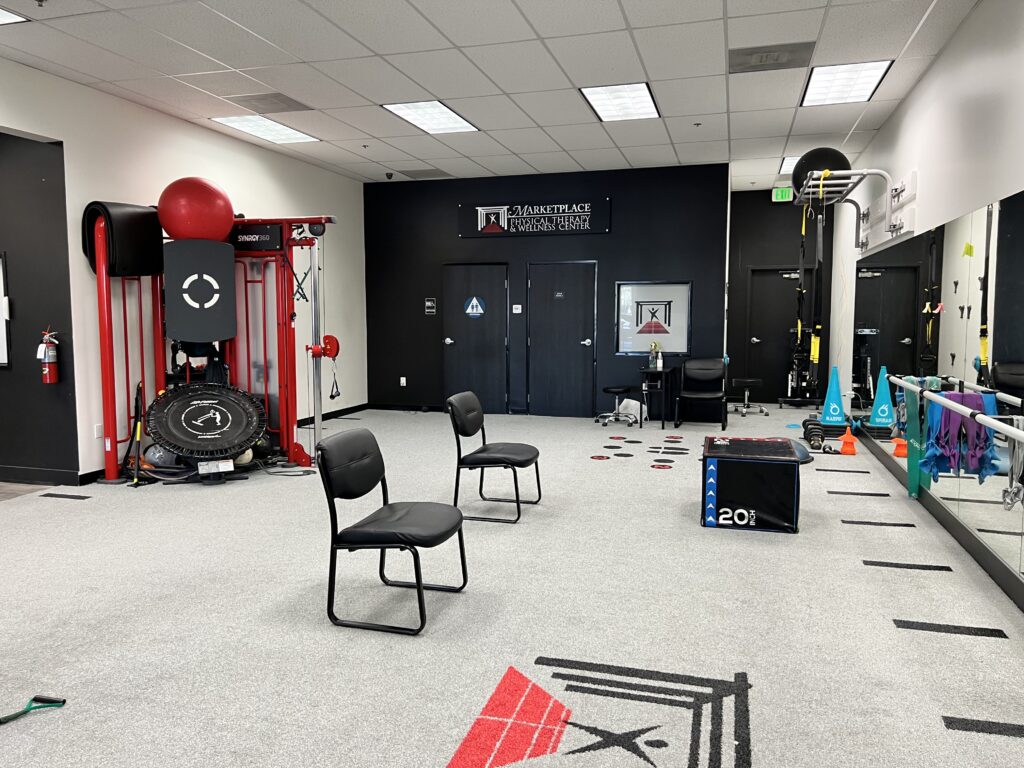
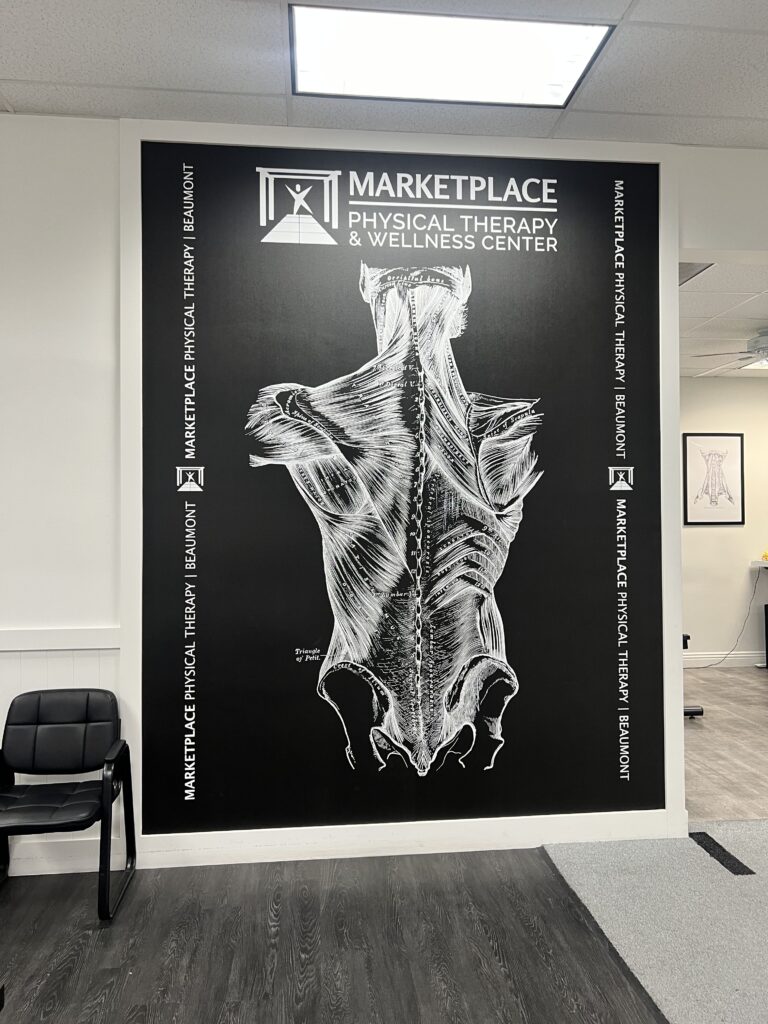
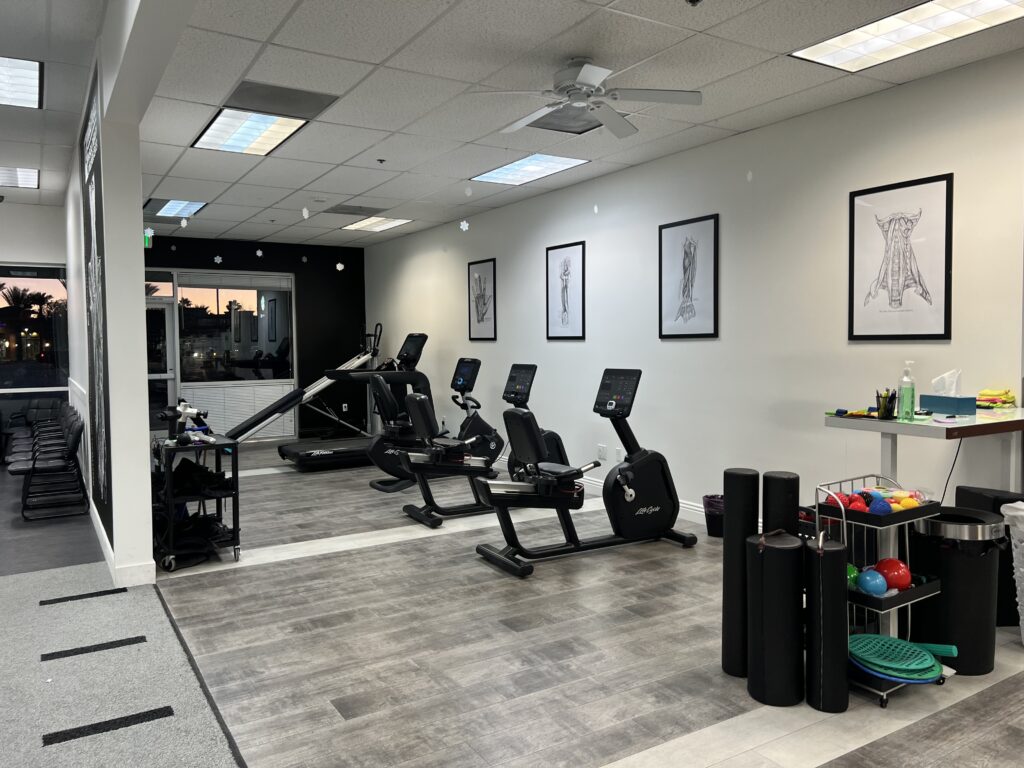
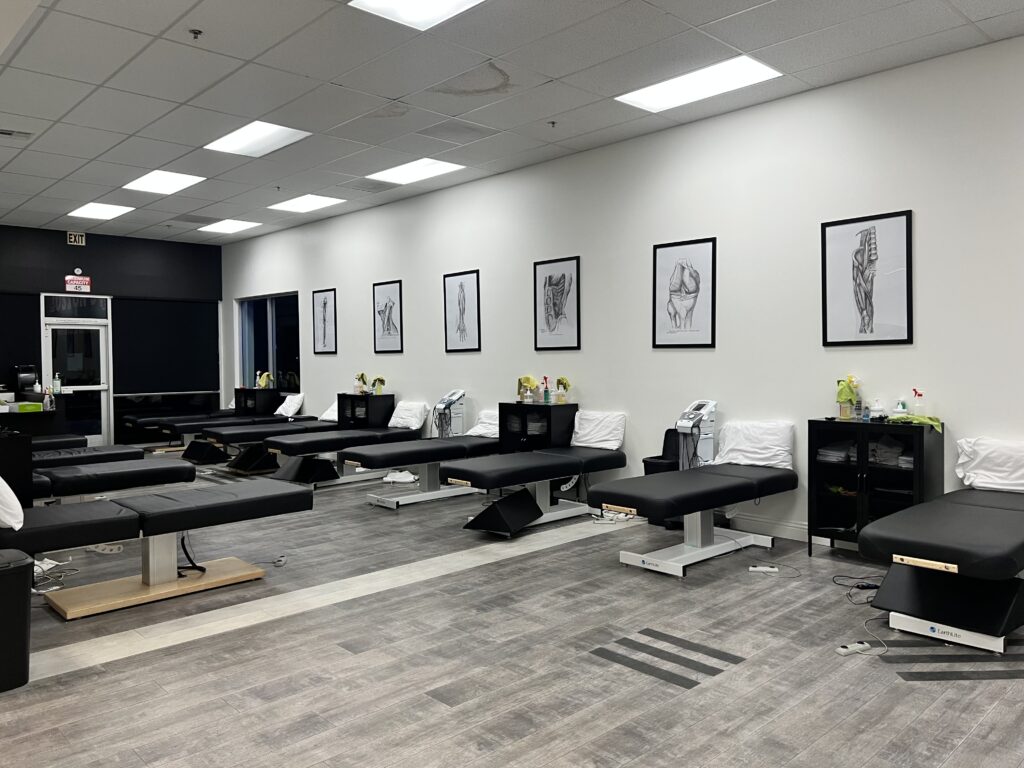
Marketplace’s Beaumont location recently underwent a remodel.
We can’t wait for you to see it in person at your next appointment!

How to Grocery Shop for Healthy Options
When it comes to grocery shopping, there are many options. If you find your weekly trip to the grocery store overwhelming, you’ve come to the right place.
The best way to start your grocery shopping is by thinking about your preferences and needs. For example, do you want to lose weight? How many people are you feeding? Once you’ve determined these factors, make a list of everything you think you may need.
Keep in mind that a diet high in protein and low in carbohydrates has been proven to be the most effective for weight loss. Protein is a building block of muscle, and it stimulates the hormone that helps you feel full. Protein also helps you maintain muscle mass during weight loss, which can help you maintain your metabolism.
The most important thing to remember is that you should be eating a balanced diet. This means that you should avoid overeating any one type of food.
For example, if you are overeating sugar or processed food, it might be time to change your diet. When shopping in the aisles, try to avoid ultra-processed foods, foods with high sugar content, or excessive amounts of red meat.
Here is an example of what a healthy grocery list may look like:
- Fruits: apples, blueberries, clementines, grapefruits, and avocados
- Vegetables: broccoli, asparagus, onions, spinach, peppers, zucchini, sweet potatoes, baby red potatoes, and butternut squash
- Beans and grains: chickpeas, brown rice, black beans, and quinoa
- Proteins: eggs, salmon, and skin-on chicken breast
- Nuts and seeds: roasted almonds, pumpkin seeds, and natural peanut butter
- Dairy and nondairy substitutes: oat milk, coconut milk, feta cheese, and full fat Greek yogurt

Three Exercises to Strengthen Your Shoulders and Upper Back
Maintaining strength throughout your shoulders and upper back is crucial to avoid neck pain! The physical therapists at Marketplace Physical Therapy can help you develop a customized exercise program that addresses your needs and fits with your abilities.
Curious about what exercises we might include in that program? Here’s an overview of three common resistance training exercises we often use to help people with neck discomfort. Before trying any of them yourself, make an appointment with our team to ensure you’re using the right weight and proper form.
- Shoulder Press: With a dumbbell in each hand, make a “field goal ” shape with your arms: your arms are bent at a 90-degree angle with your palms facing up. Brace your core as you press the weights overhead, then slowly lower them back down to your starting position.
- Reverse Flies: Lean forward at your waist with your elbows slightly bent and dumbbell in each hand. Slowly raise the weights until they are in line with your shoulders.
- Modified Push-Ups: Push-ups are a great way to build upper back and shoulder strength, but if you find the standard push-up too difficult, never fear: the modified version is just as effective. Start on your hands and knees (instead of your feet) with the body in a straight line from head to knee. Slowly lower your chest until it’s a few inches off the floor, then rise back up.
A dedicated strength-training program is a great way to reduce neck discomfort. Schedule an appointment with us to get started with one of your own!
Follow Us on Social Media!
Meet Our Team

Dr. Steven Nieto
PT, DPT, OCS, Cert. SMT, Owner and Clinical Director

Dr. Courtney Ellstrom
PT, DPT, Dip. Osteopractic, Cert SMT, Cert VRS, MFDc, Cert. DN, PCES, CKTP, CCRT, Beaumont Clinic Director

Dr. Eric McGann
PT, DPT, Riverside/Corona Clinic Director

Dr. Michael Karim
PT, DPT, Redlands Clinic Director

Dr. Blake Perryman
PT, DPT, CSCS, Riverside Clinic Director

Dr. Trevor Douglass
PT, DPT, MFDc

Dr. Desiree Lyons Howard
PT, DPT, Chino Clinic Director

Dr. Matthew Reyes
PT, DPT


Dr. Jaina Do
PT, DPT

Megan Bushey
Physical Therapy Assistant | Marketplace Physical Therapy – Downtown Riverside


Richard Polendo
PTA – Riverside

Taelor Michael
PTA – Redlands

Danica Lacson
PTA – Chino

Brianna Loop
PTA – Riverside

Dianna Yasmin Ortiz Gonzalez
PTA – Riverside/Corona

Adrianna Somesla
PTA – Redlands

Lauren Trendt
PTA – Chino