



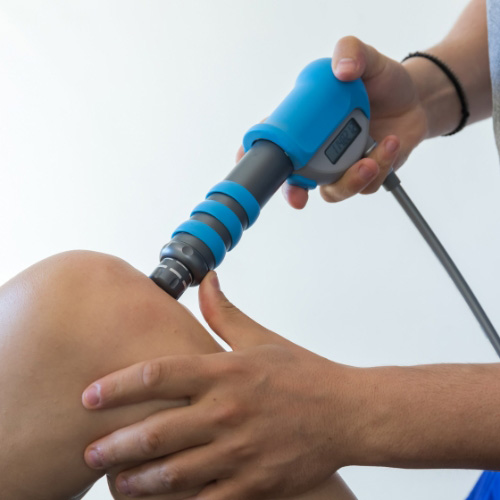
Shockwave Therapy: Using Sound to Manage Pain
No one wants to deal with joint pain. It makes day-to-day chores much more challenging, and it prevents you from participating in your favorite activities. And when that joint pain lingers for months, it can start to feel completely debilitating.
At Marketplace Physical Therapy, we offer several unique approaches to address pain and the injuries and conditions that can cause it. One of those approaches is shockwave therapy, a non-invasive treatment option useful for a variety of conditions, including plantar fasciitis, osteoarthritis, and tendon-related injuries (such as tennis elbow).
We find that many of our patients aren’t familiar with shockwave therapy and its benefits–but we’re here to rectify that!
Scary Name, Excellent Results: Explaining Shockwave Therapy
We know that shockwave therapy has an intimidating name. The full term for the treatment, extracorporeal shockwave therapy, is even worse! But there’s nothing to fear from this technique, which uses sound waves to reduce pain, promote blood circulation, and facilitate your body’s natural healing processes.
We deliver these sound waves by running a specialized device over the skin of the affected area (hence, “extracorporeal,” or outside the body). The shockwaves interact with your damaged tissue in a couple of different ways:
- It reduces inflammation in the tissue, which helps with pain relief.
- It increases blood circulation to the area, helping to create a better environment for healing and recovery.
- It stimulates collagen production, helping to strengthen and restore the function of tendons, ligaments, and other soft tissues.
What To Expect from Shockwave Therapy Treatment
At your first appointment, we’ll conduct a thorough evaluation to determine if shockwave therapy is the right choice for you. Frequently, we blend it with other physical therapy techniques, such as targeted exercise.
We’ll help you get comfortable before running the handheld shockwave device over the affected area. Some people experience a tingling sensation or other mild discomfort, but the treatment typically is not painful. Similarly, you may experience some soreness in your tissue afterward, but this should fade in a few days.
Most people will require multiple shockwave therapy sessions to see the best results. We generally recommend 5-6 weekly sessions, each lasting about 15-20 minutes.
Our therapists will provide you with detailed aftercare instructions and any specific exercises that will help you get the most out of your treatment.
Is Shockwave Therapy Right For You?
The team at Marketplace Physical Therapy works hard to find the best treatment interventions for your needs, and we frequently incorporate shockwave therapy into our comprehensive treatment programs.
Schedule an appointment with us today to learn whether shockwave therapy is a good choice for you!
*Currently only available at our Redlands location*
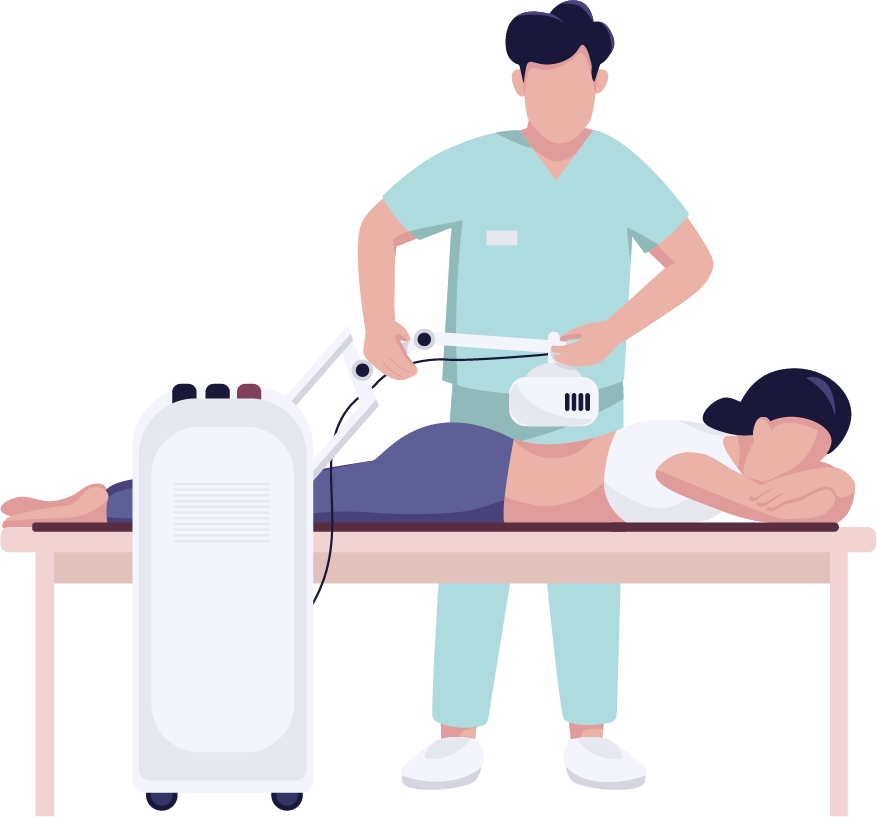
Say Goodbye to Pain – Get Started with PT Now!
Ready to feel your best again? Come back to Marketplace Physical Therapy and let us help you achieve your wellness goals—book your appointment today!
Healthy Recipe:
Buddha Noodles
Ingredients
- 12 oz. package udon noodles
- 3 tbsp. smooth peanut butter
- 3 tbsp. soy sauce
- 2 tbsp. sesame oil
- 1 tbsp. honey
- 1 tbsp. lime juice
- 1 clove garlic, minced
- 2 c. shredded or cubed chicken
- 2 c. broccoli florets, steamed
- 1 c. shredded carrots
- 2 avocados, thinly sliced
- 2 green onions, thinly sliced
- 1 tsp. sesame seeds
Directions
In a large pot of salted boiling water, cook noodles according to package instructions. Drain noodles and rinse with cold water to cool. Return noodles to saucepan. Add peanut butter, soy sauce, sesame oil, honey, lime juice and garlic. Stir until sauce is creamy and noodles are fully coated. If the sauce is too loose, turn heat to low and cook until the sauce has thickened, about 1 minute. Divide noodles between bowls. Top each serving with chicken, broccoli, avocado, carrots and green onions. Garnish with sesame seeds and serve warm or at room temperature.

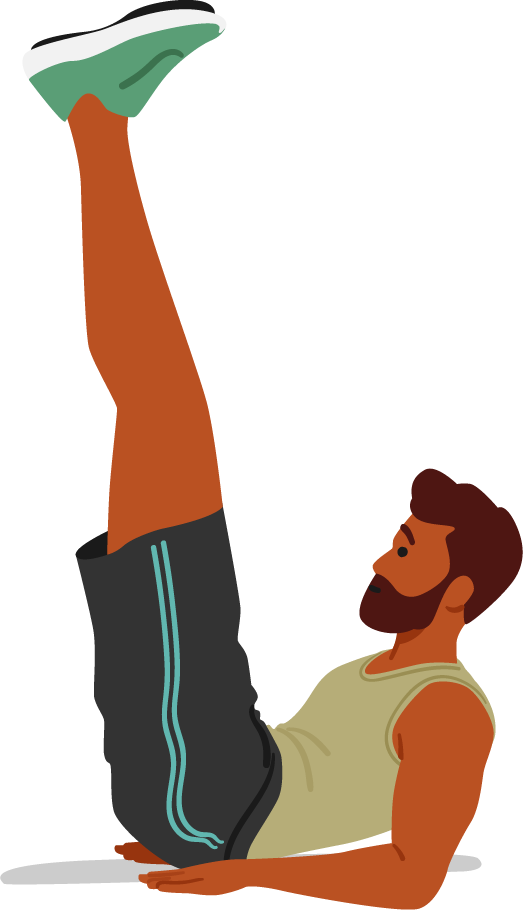
Discover the Benefits of a Stronger Core with Expert Physical Therapy Tips!
Is back pain making standing tall more difficult? Have you noticed you don’t feel as balanced as you once used to? What’s the connection? These are both signs that may indicate core muscle weakness. At Marketplace Physical Therapy, our physical therapists can help you figure out if your core is affecting your condition and, if so, how to get it strong again!
Your core muscles help you do a lot — from sitting to standing to getting up and down from chairs. A strong core allows smooth, coordinated actions, thus impacting almost every activity you do every day. If your core muscles are weak, they may affect your function and possibly your pain levels.
It’s important to note that core muscles are not just important for physical fitness but are also essential to the overall quality of life. Our physical therapists understand the importance of core strength and will assess you to determine if it’s affecting your daily activities. With our expert guidance, you’ll learn how to engage your muscles in how they were designed to move!
Contact us today to set up an appointment or learn more about how our team can help you strengthen your core!
What Is the “Core”?
When most people think of core muscles, they immediately think of the abdominals. However, the core muscles comprise the lower back, hip, pelvis, pelvic floor, and even the diaphragm muscle.
Significant weakness in the core will often lead to compensations and straining of different body areas, most commonly the back and neck muscles. As a result, this leads to undesirable consequences, such as poor posture, fatigue, or pain.
The muscles that make up your core are designed to help stabilize your body, support your posture, ensure your balance, and support movements in all directions. If any of these muscles are weak, injured, or used inappropriately, your trunk becomes unstable, making it difficult for your body to function correctly.
The core assists in almost every movement, from bending down to picking up an object to standing up straight. It also plays a significant role in breathing, lifting a heavy object, twisting your body, or even just walking. Core strength is also essential in sports performances, allowing the body to balance and control movements while running, jumping, and sustaining contact. A strong core enhances power, speed, coordination, and agility with all sports and recreational pursuits. It also can help reduce the risk of injuries and may help to prevent chronic lower back pain.
A strong core is vital to your overall health, functional movement, and athletic performance. Proper core training helps maintain spine health, ensures optimal performance in your daily life, and can help prevent various injuries.
Building Core Strength with Expert Guidance
Physical therapy is a great starting point for building your core strength. Our licensed therapists will conduct a detailed evaluation to identify the underlying muscle weaknesses and strategies to strengthen them.
Whether you feel pain in your back, neck, shoulders, or legs, we will thoroughly analyze your posture, movement patterns, and strength, pinpointing the exact cause of the pain. From there, we will create an individualized treatment plan for you based on your specific needs to strengthen your core, improve your posture, and alleviate pain.
Core stability is about both muscular strength and proper sensory input. This sensory input informs the central nervous system about your body’s movements and positions to facilitate specific actions, ensuring your body reacts appropriately. When functioning properly, our body can perform the most basic tasks and advanced athletic activities.
Our therapists will design a program to teach you how to use your core muscles properly. We will create a strength program focusing on core-specific exercises and progressing to multi-joint free-weight exercises for comprehensive core muscle training. You can anticipate continuous feedback and guidance for fine-tuning your movements to ensure optimal spinal stabilization through a strong core.
Book Your Appointment at Marketplace Physical Therapy Today!
Our physical therapy team will assess your condition to identify how your core affects your function. We’ll educate you on how your core affects your physical activity and contributes to the pain you may be experiencing. Our individualized exercise programs can reduce your pain and improve your overall quality of life!
Call us today to set up an appointment!
Thank you for subscribing to Marketplace Physical Therapy

Marketplace PT is Expanding!
Dr. Lyons-Howard, our Chino Clinical Director, and her husband, Joel, are expecting their first baby!
Backpack Safety
Backpack Strategies for Parents and Students
Aching backs and shoulders? Tingling arms? Weakened muscles? Stooped posture? Does your child have these symptoms after wearing a heavy school backpack? Carrying too much weight in a pack or wearing it the wrong way can lead to pain and strain. Parents can take steps to help children load and wear backpacks the correct way to avoid health problems.
Loading the backpack:
• A child’s backpack should weigh no more than about 10% of his or her body weight. This means a student weighing 100 pounds shouldn’t wear a loaded school backpack heavier than about 10 pounds.
• Load heaviest items closest to the child’s back (the back of the pack).
• Arrange books and materials so they won’t slide around in the backpack.
• Check what your child carries to school and brings home. Make sure the items are necessary for the day’s activities.
• If the backpack is too heavy or tightly packed, your child can hand carry a book or other item outside the pack.
• If the backpack is too heavy on a regular basis, consider using a book bag on wheels if your child’s school allows it.
Wearing the backpack:
• Distribute weight evenly by using both straps. Wearing a pack slung over one shoulder can cause a child to lean to one side, curving the spine and causing pain or discomfort.
• Select a pack with well-padded shoulder straps. Shoulders and necks have many blood vessels and nerves that can cause pain and tingling in the neck, arms, and hands when too much pressure is applied.
• Adjust the shoulder straps so that the pack fits snugly on the child’s back. A pack that hangs loosely from the back can pull the child backwards and strain muscles.
• Wear the waist belt if the backpack has one. This helps distribute the pack’s weight more evenly.
• The bottom of the pack should rest in the curve of the lower back. It should never rest more than four inches below the child’s waistline.
• School backpacks come in different sizes for different ages. Choose the right size pack for your child as well as one with enough room for necessary school items.
• Only put items in your backpack that you need for the day.
Meet Our Team

Dr. Steven Nieto
PT, DPT, OCS, Cert. SMT, Owner and Clinical Director
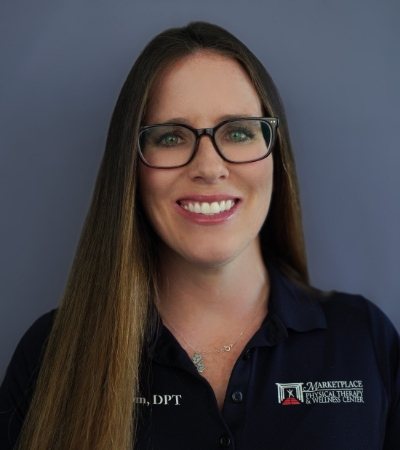
Dr. Courtney Ellstrom
PT, DPT, Dip. Osteopractic, Cert SMT, Cert VRS, MFDc, Cert. DN, PCES, CKTP, CCRT, Beaumont Clinic Director
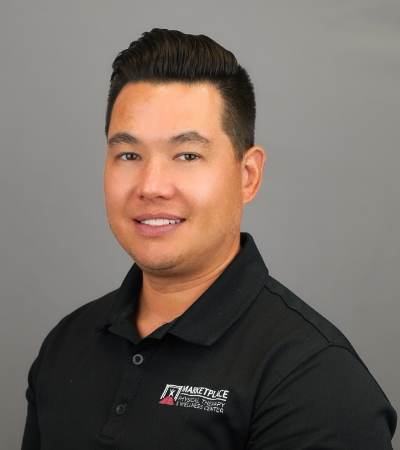
Dr. Eric McGann
PT, DPT, Riverside/Corona Clinic Director

Dr. Michael Karim
PT, DPT, Redlands Clinic Director
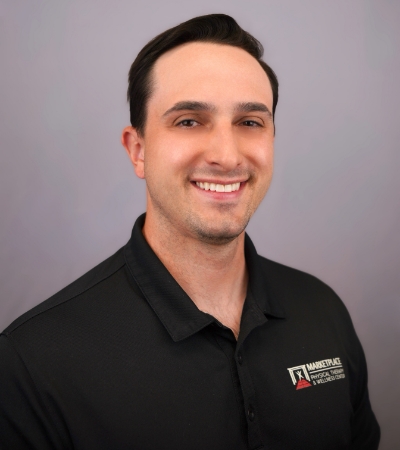
Dr. Blake Perryman
PT, DPT, CSCS, Riverside Clinic Director
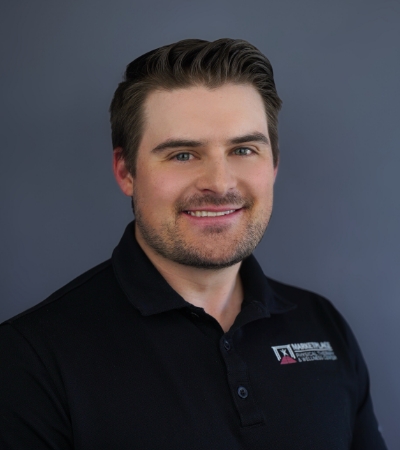
Dr. Trevor Douglass
PT, DPT, MFDc
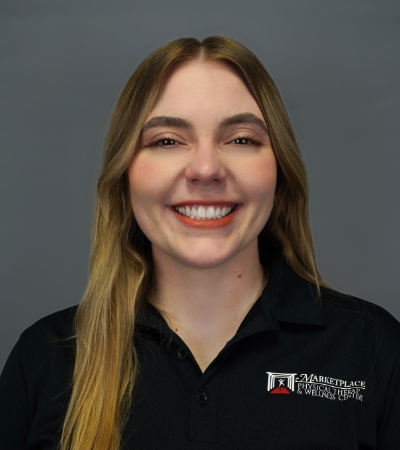
Dr. Desiree Lyons Howard
PT, DPT, Chino Clinic Director

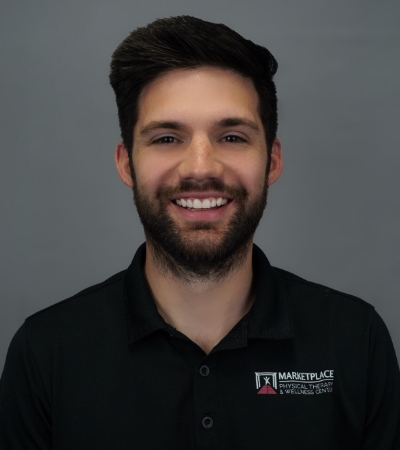
Dr. Matthew Reyes
PT, DPT
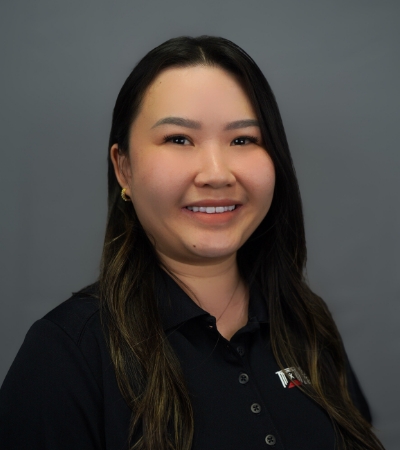
Dr. Jaina Do
PT, DPT

Megan Bushey
Physical Therapy Assistant | Marketplace Physical Therapy – Downtown Riverside

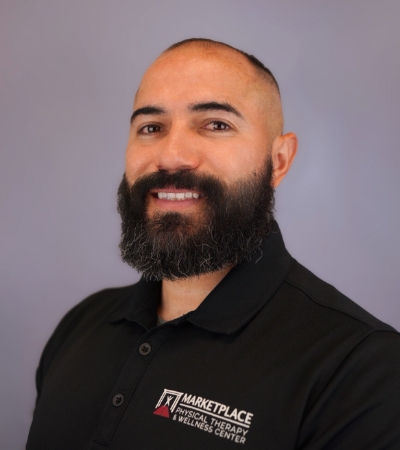
Richard Polendo
PTA – Riverside

Taelor Michael
PTA – Redlands

Danica Lacson
PTA – Chino

Brianna Loop
PTA – Riverside

Dianna Yasmin Ortiz Gonzalez
PTA – Riverside/Corona
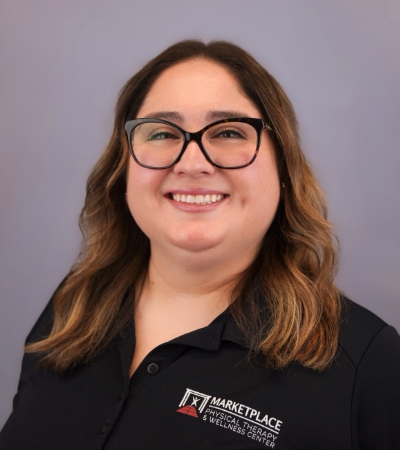
Adrianna Somesla
PTA – Redlands
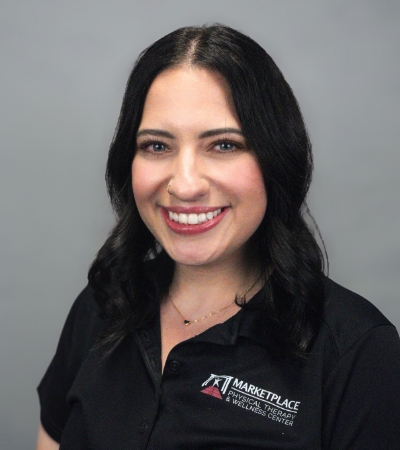
Lauren Trendt
PTA – Chino