




The Difference Between Back Pain and Sciatica
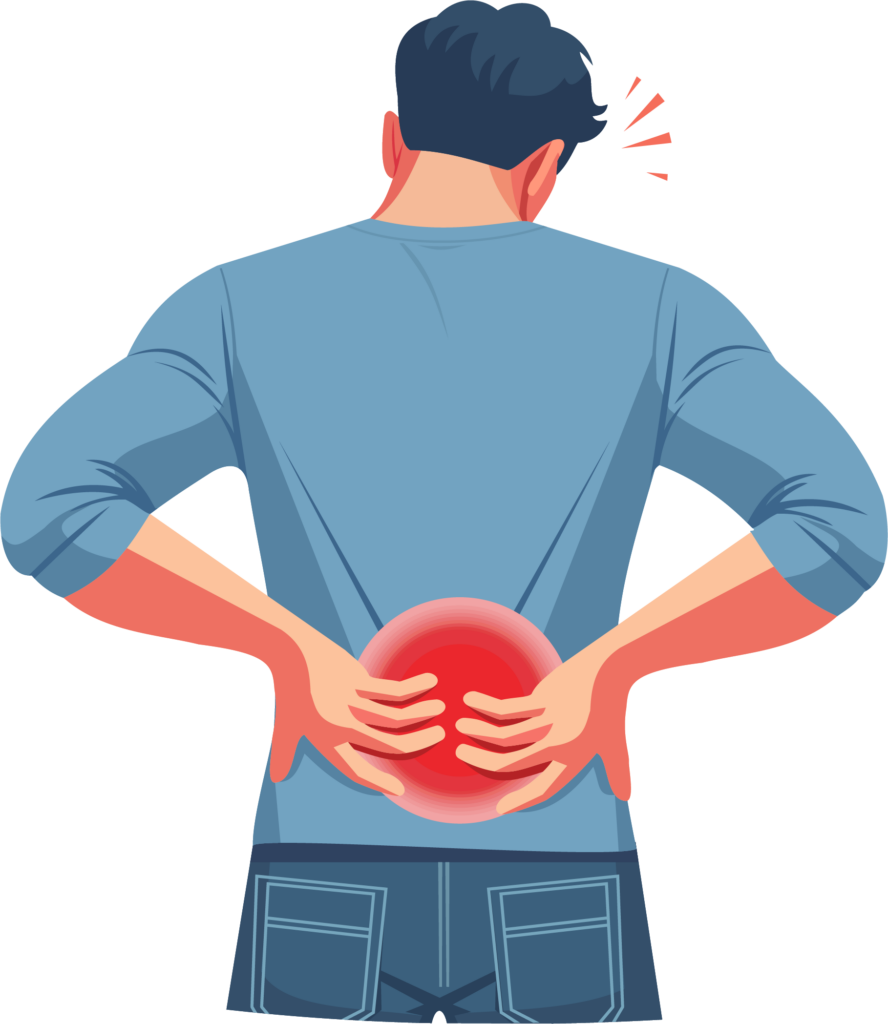
Have you been told your persistent lower back pain is really sciatica? Did you know specific signs and symptoms can clarify what condition you’re dealing with? Far too often, these terms are used interchangeably or, worse yet, inaccurately. Fortunately, at Marketplace Physical Therapy, our skilled physical therapists can clear it up for you and set you on the right path to relief!
Back pain and sciatica can be confusing and even intimidating, especially when you’re not sure what’s causing your discomfort. Whether from a car accident, lifting something heavy, or seemingly out of nowhere, both back pain and sciatica seem to have similar causes and even share some symptoms.
That’s where physical therapy comes in. Physical therapy is highly effective for both conditions. It helps reduce pain, improves mobility, and, most importantly, tackles the underlying issues to prevent future discomfort. With a tailored treatment plan, you can get back to doing what you love, pain-free.
Understanding the Difference Between Back Pain and Sciatica
Back pain and sciatica are sometimes used interchangeably, but they’re not the same. Lower back pain is generally localized, affecting the lumbar region of the spine. It can arise from muscle strains, herniated discs, or prolonged poor posture.
Sciatica, on the other hand, is more specific and involves pain that travels along the sciatic nerve. This nerve starts in the lower back and runs through the hips and buttocks down to each leg. The pain you feel could be shooting, burning, or even tingling, and it usually affects just one side of your body. To be a “true” sciatica,” nerve symptoms must be felt in the leg (specifically below the knee).
Common Causes of Back Pain and Sciatica
- Lower Back Pain: In most cases, lower back pain is caused by factors such as muscle strain, herniated discs, degenerative disc disease, arthritis, and other conditions.
- Sciatica: Most commonly caused by a herniated disc, bone spur where the nerve exits the spine, or narrowing of the spine (spinal stenosis) compressing part of the nerve.
Classic Symptoms of Back Pain and Sciatica
- Lower Back Pain: May include stiffness, muscle spasms, and difficulty in moving.
- Sciatica: Must consist of symptoms along the nerve root in the leg and typically include numbness, tingling, or muscle weakness in the affected leg or foot, in addition to pain.
It’s crucial to know the difference between the two because the treatment approaches differ. For example, sciatica might require attention to nerve compression issues, while lower back pain could be more muscle-related.
So, if you’re tired of enduring persistent pain, take action and call to schedule an appointment with our spine experts. Let us help you understand your condition and guide you toward effective relief.
Our Approach to Assessment and Treatment at Marketplace Physical Therapy
If you are experiencing back pain or sciatica, it’s time to take action. Working with our experienced therapists can help you understand what you are dealing with and, most importantly, how to resolve it once and for all!
Whether you come to our clinic with lower back pain or sciatica, we will perform a thorough physical examination and medical history to provide you with solutions that work based on the findings.
- Education: Understanding what is going on and, more importantly, what you can do about it is one of the most effective solutions. Our physical therapists will make sure you have the information you need to be successful.
- Manual Therapy: Manual therapies include a variety of methods, including joint mobilizations and manipulations that move one or more joints within normal ranges of motion to improve spinal joint motion or function.
Our physical therapists may also use soft tissue techniques like myofascial release, trigger point releases, and other methods to help alleviate pain and allow for more mobility and improved function.
- Targeted Exercises: Our exercise programs include mobility exercises, proper postural exercises, nerve mobilization, or strength exercises. Our physical therapists will tailor your workouts, monitor you, and progress based on your individual needs.
Your well-being is our top priority. At Marketplace Physical Therapy, we offer a proven approach to back pain and sciatica. Don’t let pain hold you back any longer. Call today and take the first step toward a pain-free life.
Say Goodbye to Pain – Get Started with PT Now!
Ready to feel your best again? Come back to Marketplace Physical Therapy and let us help you achieve your wellness goals—book your appointment today!
May Word Scramble
awelwmrno
gyaubdl
mapdloi
wohessr
efalitsv
rnidarsop
Answer Key
lawnmower
ladybug
diploma
showers
festival
raindrops
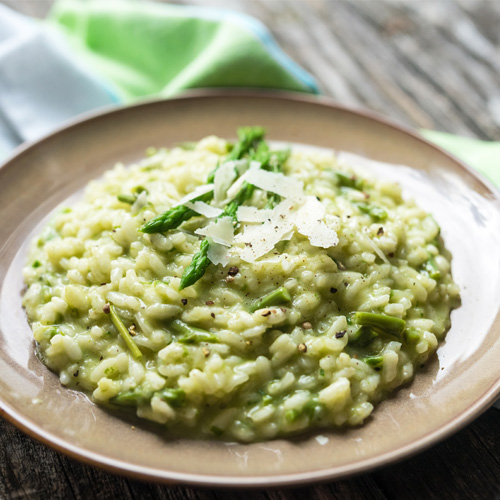
Savor the fresh flavors of the season with this creamy Spring Asparagus Risotto! Bursting with tender asparagus, fragrant herbs, and a rich, velvety texture, this dish is the perfect way to celebrate the arrival of spring. Whether you’re cooking for a special occasion or simply indulging in a cozy meal at home, this risotto brings comfort and freshness to every bite. Pair it with a crisp white wine and enjoy the taste of spring on your plate!
Enjoy This Healthy Meal!
Spring Asparagus Risotto
Ingredients:
- 4 cups (1-inch) sliced asparagus (about 1 1/2 pounds), divided
- 3 cups fat-free, low-sodium chicken broth
- 1 1/2 cups water
- 1 tbsp butter
- 2 cups chopped onion (about 1 large)
- 2 cups uncooked Arborio or other medium-grain rice
- 1/2 cup dry white wine
- 1 cup (4 ounces) grated fresh Parmigiano-Reggiano cheese, divided
- 1/4 cup heavy whipping cream
- 1 tsp salt
- 1/2 tsp freshly ground black pepper
Place 1 cup asparagus and 1 cup broth in a blender; puree until smooth. Combine puree, remaining 2 cups broth, and 1 1/2 cups water in a medium saucepan; bring to a simmer (do not boil). Keep warm over low heat. Melt butter in a large heavy saucepan over medium heat. Add onion to pan; cook 8 minutes or until tender, stirring occasionally. Stir in rice; cook 1 minute, stirring constantly. Stir in wine; cook 2 minutes or until liquid is nearly absorbed, stirring constantly. Add 1/2 cup broth mixture; cook 2 minutes or until the liquid is nearly absorbed, stirring constantly. Add remaining puree mixture, 1/2 cup at a time, stirring constantly until each portion of broth is absorbed before adding the next (about 30 minutes total). Stir in remaining 3 cups asparagus; cook 2 minutes. Stir in 3/4 cup cheese, cream, salt, and pepper. Transfer risotto to a bowl. Serve with remaining 1/4 cup cheese.
Thank You for Subscribing to Marketplace Physical Therapy
In the Clinic
From PT Aide to DPT & Now… Dad of 3!
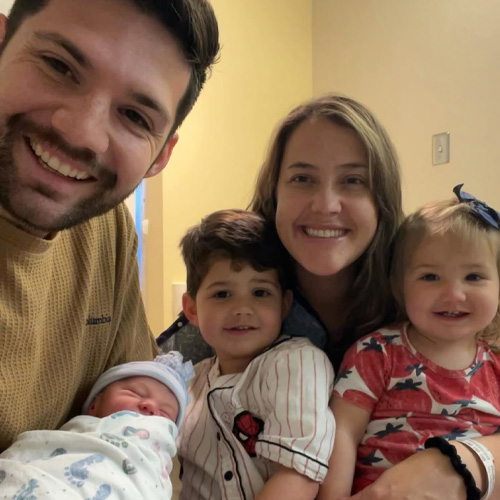
We’re sending big congratulations to Dr. James Bogdanovich and his wife, Haley, on the newest addition to their family—welcome Baby Jude! 💙
James first joined Marketplace Physical Therapy back in 2017 as a PT aide while completing his undergraduate studies. With passion and dedication, he went on to earn his Doctorate in Physical Therapy and returned to MPT as a licensed DPT—talk about full circle! 🙌
Now, he’s celebrating a brand new milestone—baby number 3! We’re so proud of everything James has accomplished both professionally and personally.
Cheers to you, James, and welcome to the world, Baby Jude! 🍼🎊
Tips for Planting a Potted Herb Garden
Have you been wanting to get into gardening, but don’t have the yard space? Consider planting a potted herb garden!
Container gardening is easy, convenient, and leaves you with a supply of beautiful fresh herbs. Almost any herb can be grown in a container, so the possibilities are endless!
Here are a few tips and tricks to ensure your potted herb garden is successful this spring:
1. Be mindful of what you plant.
One of the exciting things about a potted herb garden is that you can grow as many different types of herbs as you want in the same container. However, before you start planting, be sure to do some research on the sun, water, and soil requirements of each herb.
For example, rosemary prefers hot and dry conditions, whereas parsley requires consistent moisture. As a result, they would not get along in the same pot.
2. Choose the right container.
As long as it has good drainage, you can use almost anything as an herb container. However, it’s important to be aware that using smaller pots means you need to be extra cautious in how much you water your herbs. Too much or too little water can be especially detrimental to an herb in a small pot.
3. Use high quality soil.
The best way to ensure a healthy start to your container garden is by using high quality soil. Container soil should be lighter in density than traditional garden soil. You can also add organic matter, like perlite or peat moss, to the mixture to improve drainage and moisture retention.
We hope you’re feeling ready to get started on your potted herb garden this spring. Remember to have fun and good luck!
Move Smart This Season: Avoid Common Injuries While Hiking, Running & Biking
As the weather warms up and we head outdoors for hikes, bike rides, and runs, it’s important to keep injury prevention top of mind. Whether you’re hitting the trails or cruising your neighborhood, moving smart can help you stay active all season long.
Common injuries include ankle sprains, shin splints, knee pain (like runner’s knee), lower back strain, and overuse injuries like tendinitis. These often happen when we do “too much, too soon” or skip proper warm-ups and recovery.
Here are some simple tips to help you stay injury-free:
- Warm up before you move. Dynamic stretches and light movement help prepare your body for action.
- Progress gradually. Increase intensity, distance, or duration slowly to give your muscles and joints time to adapt.
- Wear the right gear. Supportive footwear and properly fitted helmets or biking gear can make a big difference.
- Listen to your body. Don’t push through pain. Discomfort may be your body’s way of warning you.
- Cool down and stretch. Gentle stretching and foam rolling post-activity help prevent stiffness and soreness.
If you’re dealing with aches or pains that don’t go away—or you want help building a safe, effective routine—a physical therapist can assess your movement, identify risks, and guide you toward your goals.
Stay safe, have fun, and enjoy all the adventures this season has to offer!

Follow Us on Social Media!
How Physical Therapy Helps Pelvic Health
Are you living with symptoms you find difficult to talk about? Perhaps you’re struggling with incontinence, sexual dysfunction, or endometriosis. Maybe you’ve developed a pelvic organ prolapse.
While these conditions can sound scary, they’re very treatable. Unfortunately, they often stem from issues related to pelvic health, and many people will live with pain and discomfort due to uncomfortable sharing their concerns.
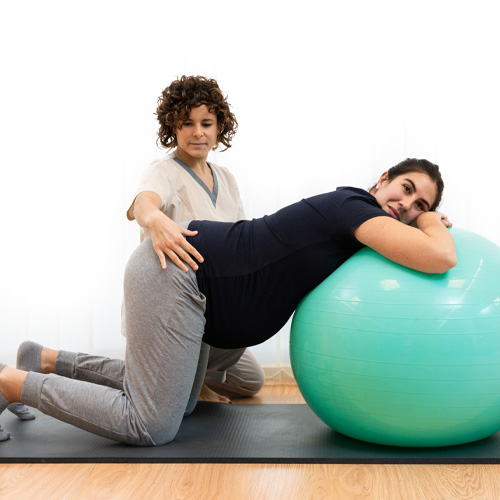
At Marketplace Physical Therapy, we want to change that. Our physical therapists frequently help people manage their pelvic health, offering private rooms and a judgment-free zone where you can share your symptoms and get the treatment you need.
Today, we want to explore pelvic health: what it is, how it can impact your life, and how our physical therapy services can help improve it.
Still have questions? Our friendly staff is happy to answer them. We’re just a phone call away!
What Do We Mean by Pelvic Health?
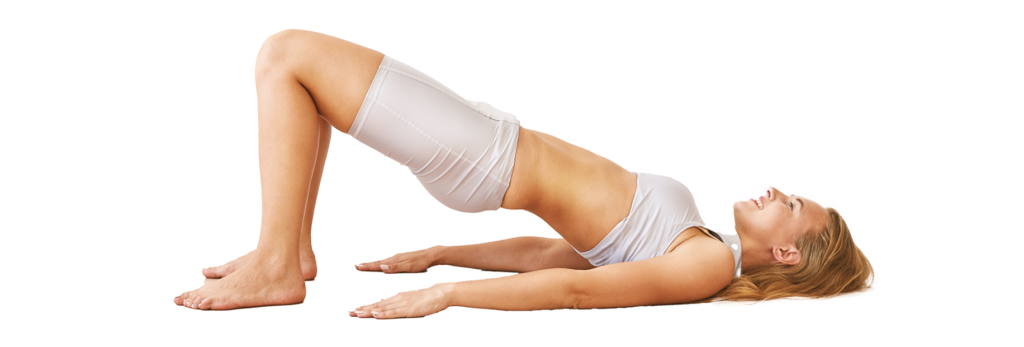
Your pelvic floor is a sling of muscles at the base of your core. It acts as a “hammock” for your pelvic organs, including your bladder, bowels, prostate (in men), and sexual organs (in women). When the pelvic floor is healthy, it supports those organs and helps them function properly. But when it becomes impaired–such as being weak or overly restricted–you can experience several different symptoms.
Anyone can experience issues with their pelvic floor, although the exact concerns can vary somewhat with gender. Here are some of the common complaints we help treat:
Urinary Incontinence
- Anyone can develop urinary incontinence, although it is more common in women. This can include stress incontinence (leaking when laughing or coughing), urge incontinence (having an overwhelming need to go), or a combination.
Pelvic Pain
- Pelvic pain can have a variety of causes, from nerve issues to gynecological conditions like endometriosis. We’ll help determine the cause and find the right treatment option for your needs.
Sexual Dysfunction
- For women, sexual dysfunction can include painful intercourse or difficulty with orgasm. For men, it can include erectile dysfunction or painful ejaculation. But either way, pelvic floor impairment is often the culprit.
Pelvic Organ Prolapse
- This occurs when the pelvic organs slip out of place. It can affect both men and women and develops due to weakened pelvic floor muscles.
Pregnancy/Postpartum Discomfort
- The changes that occur in your body during pregnancy can lead to pelvic and lower back pain, urinary incontinence, and other musculoskeletal concerns.
What Treatment Options Do We Offer?
Treatment for pelvic health concerns varies depending on the cause. That’s why our team will spend your first session taking your health history, reviewing your symptoms, and running several screens so we can provide you with the interventions you need.
Here are some of the common treatment options we use to improve pelvic health:
Pelvic Floor Exercises
- We’ll show you tailored exercises designed to stretch and strengthen your pelvic floor muscles–and ensure you’re performing them correctly.
Manual Therapy
- Certain hands-on pain relieving techniques, such as myofascial release, can help ease muscle tension that can contribute to pelvic pain and dysfunction.
Bladder Training
- If you’re dealing with urinary incontinence (especially urge incontinence), bladder training can help you go longer between bathroom breaks.
Lifestyle Modifications
- We’ll help you find lasting relief by addressing other factors that might contribute to pelvic floor dysfunction, such as regular exercise, nutrition, and more.
Ready to Get Started?
Take control of your health and well-being, starting with your pelvic health. Call today to make your appointment!
Meet Our Team

Dr. Steven Nieto
PT, DPT, OCS, Cert. SMT, Owner and Clinical Director
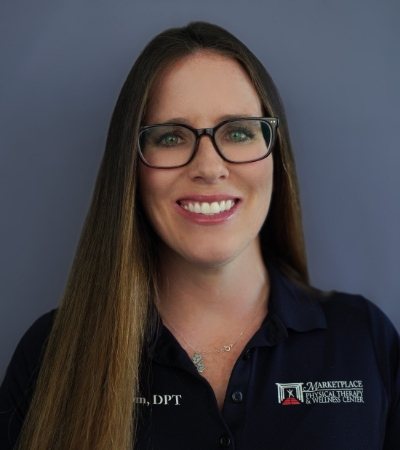
Dr. Courtney Ellstrom
PT, DPT, Dip. Osteopractic, Cert SMT, Cert VRS, MFDc, Cert. DN, PCES, CKTP, CCRT, Beaumont Clinic Director
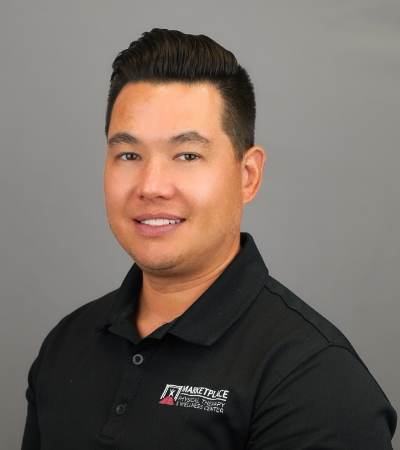
Dr. Eric McGann
PT, DPT, Riverside/Corona Clinic Director

Dr. Michael Karim
PT, DPT, Redlands Clinic Director
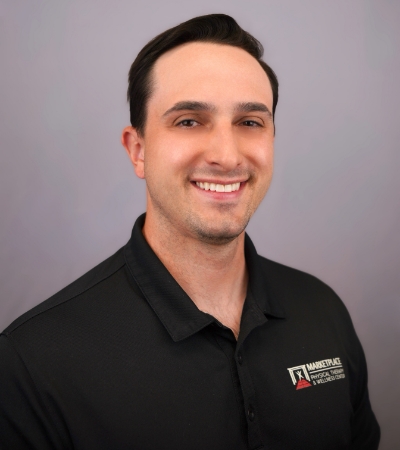
Dr. Blake Perryman
PT, DPT, CSCS, Riverside Clinic Director
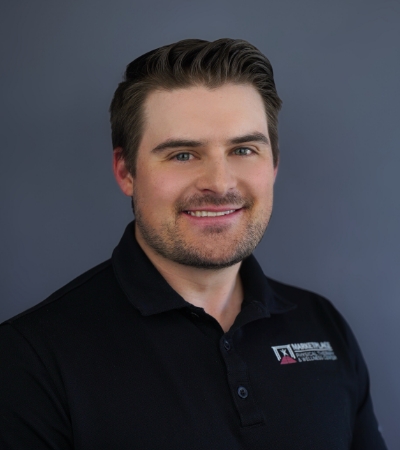
Dr. Trevor Douglass
PT, DPT, MFDc
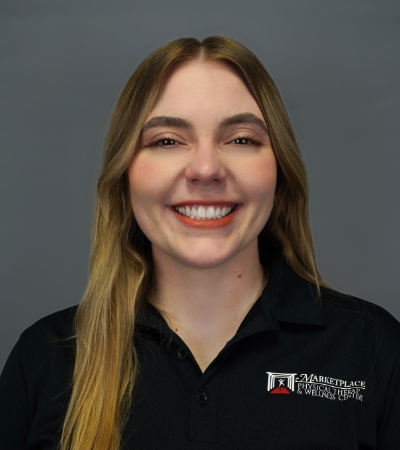
Dr. Desiree Lyons Howard
PT, DPT, Chino Clinic Director

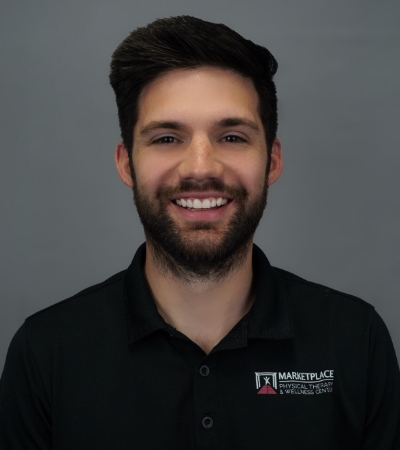
Dr. Matthew Reyes
PT, DPT
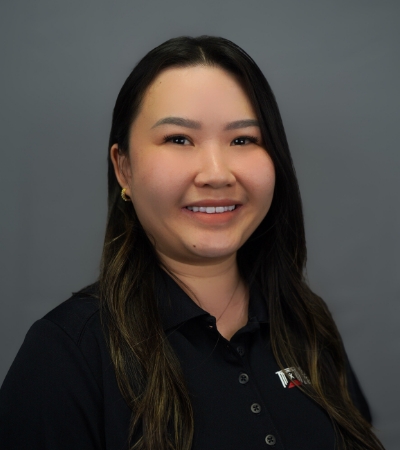
Dr. Jaina Do
PT, DPT

Megan Bushey
Physical Therapy Assistant | Marketplace Physical Therapy – Downtown Riverside

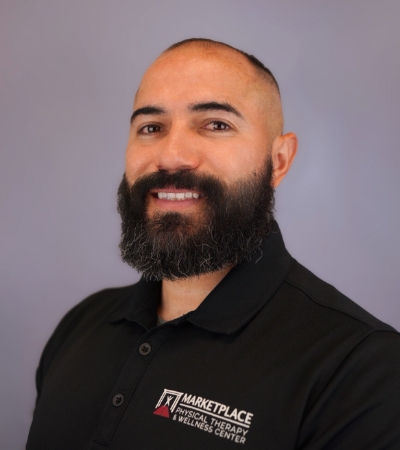
Richard Polendo
PTA – Riverside
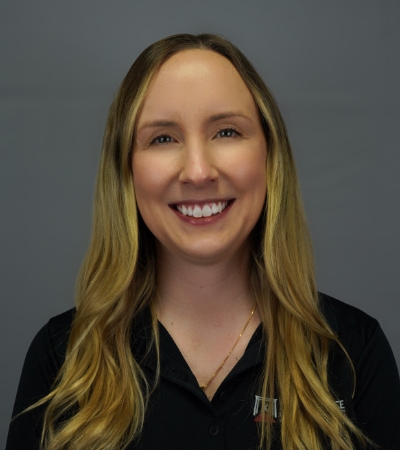
Taelor Michael
PTA – Redlands

Danica Lacson
PTA – Chino

Brianna Loop
PTA – Riverside

Dianna Yasmin Ortiz Gonzalez
PTA – Riverside/Corona
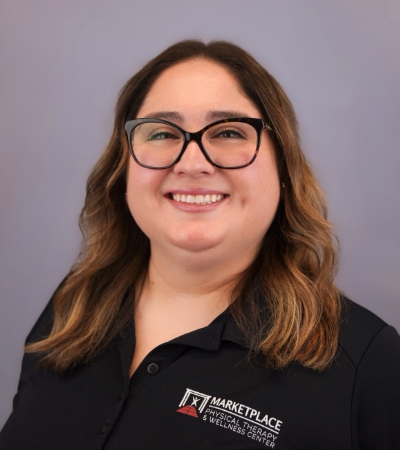
Adrianna Somesla
PTA – Redlands
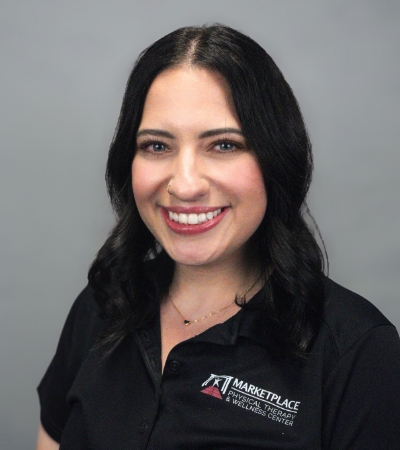
Lauren Trendt
PTA – Chino