




How Physical Therapy Can Help Sports Injuries This Spring
At Marketplace Physical Therapy, we are experienced in dealing with all spring sports season injuries and can give you the programs to prepare you for the season and prevent new injuries! Are you looking forward to getting out on the courts? Do you look forward to golf or the start of baseball/softball season?
The winter seasons can be sedentary and lead to more aches, pains, and discomfort than one may think. Fortunately, the warm weather is a great time to get outdoors and play sports.
If you find yourself in pain from a throwing injury or a bad swing of the club or racquet this spring, or you’d like to discuss ways you can get in shape to prevent any injury, don’t hesitate to contact Marketplace Physical Therapy.
Whether you are a young athlete or have played sports for decades, our physical therapists know how to treat your injuries and get you back in the game.
Common Causes Of Sports-Related Injuries
Injuries are a part of sports, but you can resolve them quickly and get back to doing what you love with a proactive approach to rehabilitation. Most athletes learn that taking care of issues when they are small leads to a faster recovery.
Many people think sprains and strains are the same, but they describe damage to different tissues. Tendons are tissues that connect muscles to bones, and ligaments are tissues that connect bones to the bone.
- Sprains occur when a ligament is stretched beyond its limits or torn.
- Strains occur when a tendon is stretched beyond its limits or torn.
Sprains are typically the result of a trauma, a deceleration (slowing down) movement, or a sudden change in direction. The most common symptoms include pain, inflammation, muscle spasm, and sometimes an inability to move the joints where the injury occurred.
Ankle sprains are often the result of a faulty step while running or stepping on uneven terrain. The injury occurs when the ankle rolls, twists, or turns awkwardly to the outer aspect of the ankle (i.e., lateral ankle sprain). This sudden stretch leads to partial or complete tearing of the ligaments supporting the ankle joint. The severity of the injury will determine the degree of pain, inflammation, and ability to move the joints where the injury occurred.
Approximately 85% of ankle sprains are inversion sprains (i.e., rolling outward). This injury damages the outside (lateral) ligaments and may lead to restrictions on how the joint moves. The joint restrictions will, in turn, affect the athlete’s ability to tolerate running and jumping and may also lead to chronic ankle instability and new injuries that impact an athlete’s ability.
It is important to note that it is in your best interest to have a physical therapist make sure a sprain is fully healed before returning to your normal level of physical activity. Regardless of the type and nature of your sports injuries, our team can help!
What To Expect From Physical Therapy
The overall goal of physical therapy is healing and prevention. In addition to treating the injury, our physical therapists will help resolve any pain, restore motion and strengthen the affected area to prevent additional injury.
An effective rehabilitation program depends on a thorough history to understand the exact nature of the injury and the athlete’s goals. We use the information gathered in the initial evaluation to identify the underlying condition and pathology of the symptoms.
The initial stages of physical therapy will focus on restoring any lost motion, reducing the swelling, and using all available treatments to alleviate any pain you may experience.
Your physical therapist will incorporate manual techniques and modalities to reduce pain and inflammation before initiating active rehabilitation. Our programs focus on correcting dysfunction and/or improper technique and equipment.
Dysfunctional movement patterns can last for years, leading to re-injury and other injuries. Our therapists will design a comprehensive program that includes restoring range of motion, strengthening, neuromuscular control, proprioceptive responses, and sports-specific exercises. We will look for any changes in your gait pattern that may make it difficult for you to move around freely.
Our physical therapists will show you therapeutic exercises to address any underlying issue, such as a weakness that may be contributing to altered movement patterns, balance issues, and overall susceptibility to more injuries. We will perform a comprehensive assessment to ensure we provide the tools you need to enjoy the sport you love!
Contact Marketplace Physical Therapy To Schedule An Appointment
We will work with you at Marketplace Physical Therapy to accommodate your needs by providing the most advanced rehabilitation strategies and injury prevention programming.
For more information, contact us today!

Say Goodbye to Pain – Get Started with PT Now!
Ready to feel your best again? Come back to Marketplace Physical Therapy and let us help you achieve your wellness goals—book your appointment today!


Celebrate the flavors of spring with this fresh and delicious Spring Vegetable Tart! Packed with vibrant, seasonal veggies and a flaky, golden crust, it’s the perfect dish for brunch, lunch, or a light dinner. Enjoy the taste of spring in every bite! 🌸🥕🥦
Enjoy This Seasonal Meal!
Spring Vegetable Tart
Ingredients:
- 2 sheets puff pastry
- 1 egg, lightly beaten
- 5 oz vegetable dip
- 6 baby zucchini, halved lengthwise
- 3-4 yellow squash, thinly sliced with a mandoline
- 1 bunch asparagus, thinly sliced lengthwise with a mandoline
- 1 1/2 c goat cheese
- Extra virgin olive oil
- Balsamic vinegar glaze
- Mixed herbs, to serve
Preheat oven to 400°F. Line a large baking tray with baking paper. To make tart case, place pastry sheets side by side on the lined tray. Brush egg wash along the long edge of one sheet, then overlap with the other by 1″ to create a large single sheet. Fold and pinch all four sides to make a 1″ border, pushing down to seal. Brush border with egg wash. Using a fork, prick the base of the tart all over. Place in oven and bake for 20 minutes, until golden. Remove from oven and spread base of pastry with dip. Meanwhile, place vegetables in a large bowl. Pour boiling water over vegetables, steep for 1 min to blanch, then drain and pat dry with paper towel. Scatter vegetables over tart and crumble goat cheese on top. Drizzle with oil and vinegar glaze. Sprinkle with mixed herbs.
Thank You for Subscribing to Marketplace Physical Therapy
Service Spotlight:
Laser and Shockwave Therapy
We now offer laser and shockwave therapy at our Redlands and Beaumont clinics.
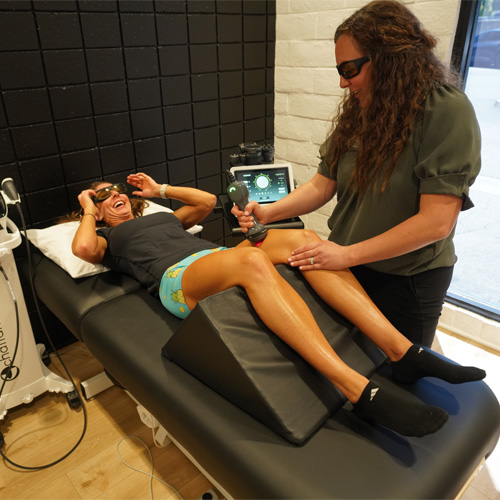
Garden and Yard Work: Approaches to Injury Prevention
Spring has sprung, and many are eager to get their hands dirty in the garden or yard. However, these activities can put an unexpected strain on your body if you’re not prepared. Try these tips to keep you gardening longer while minimizing your risk for injury.
- Movement Prep: Gone are the days of old-school static stretching. Instead, use a dynamic warm-up to prep your muscles and joints for gardening.
- Spinal Health: Incorporate ‘active breaks’ every 20 minutes to reset your spine. Or alternate between working up high (like trimming bushes) and down low (like planting flowers). This gives specific muscle groups a break and reduces the risk of overuse injuries.
- Neuromuscular Control: Practice exercises that engage both your brain and muscles, like balance exercises to avoid trips and falls over uneven terrain or gardening tools, making it easier to navigate through your garden.
Utilizing these cutting-edge approaches can ensure a physically fulfilling and injury-free gardening season, allowing you to fully enjoy the fruits (and flowers) of your labor.
Happy Gardening!

Spring Is Running Season! Are You In Your Best Shape?
Are you looking forward to starting running again after a long winter? At Marketplace Physical Therapy, our therapists understand running injuries, and we will make sure you run pain-free this spring!
Runners are often misled into believing unproven solutions to avoiding pain and injury. Not many people know that the number-one risk factor for runners to sustain an injury is having had an injury in the last 12 months.
The other most common risk factors are:
- Running experience of 0–2 years
- Restarting running after extended rest
- Overtraining (i.e., more than 40 miles per week)
To ensure you can get back to running or increasing your mileage without pain or injury, start with an injury evaluation and a biomechanical assessment to identify any factors that could contribute to pain or injury.
Our therapists will take a thorough history to understand your training schedule, previous injuries, and overall health status. We use this information to create an individualized program to alleviate pain and get you back to running without limits.
Request an appointment at Marketplace Physical Therapy today!
Follow Us on Social Media!
Meet Our Team

Dr. Steven Nieto
PT, DPT, OCS, Cert. SMT, Owner and Clinical Director

Dr. Courtney Ellstrom
PT, DPT, Dip. Osteopractic, Cert SMT, Cert VRS, MFDc, Cert. DN, PCES, CKTP, CCRT, Beaumont Clinic Director
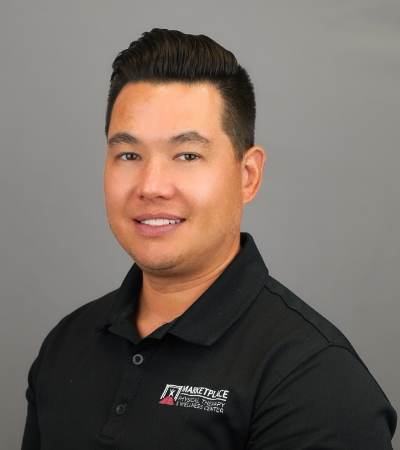
Dr. Eric McGann
PT, DPT, Riverside/Corona Clinic Director

Dr. Michael Karim
PT, DPT, Redlands Clinic Director

Dr. Blake Perryman
PT, DPT, CSCS, Riverside Clinic Director

Dr. Trevor Douglass
PT, DPT, MFDc

Dr. Desiree Lyons Howard
PT, DPT, Chino Clinic Director

Dr. Matthew Reyes
PT, DPT

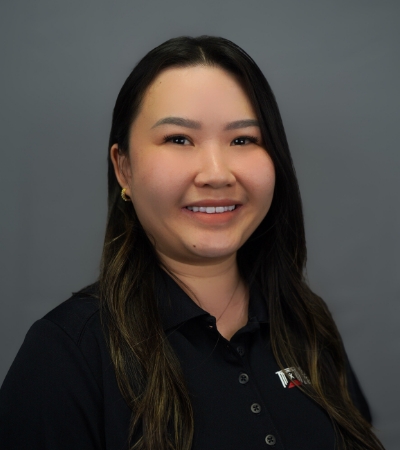
Dr. Jaina Do
PT, DPT

Megan Bushey
Physical Therapy Assistant | Marketplace Physical Therapy – Downtown Riverside


Richard Polendo
PTA – Riverside

Taelor Michael
PTA – Redlands

Danica Lacson
PTA – Chino

Brianna Loop
PTA – Riverside

Dianna Yasmin Ortiz Gonzalez
PTA – Riverside/Corona
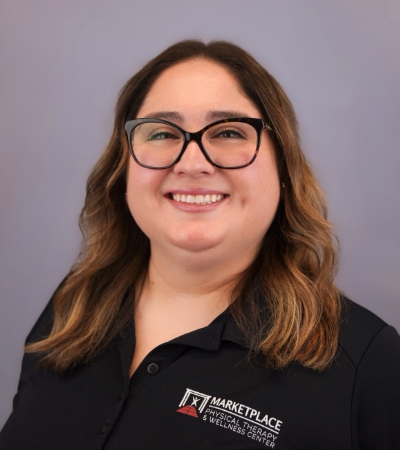
Adrianna Somesla
PTA – Redlands

Lauren Trendt
PTA – Chino