

What Swelling and Pain Around the Knee Means
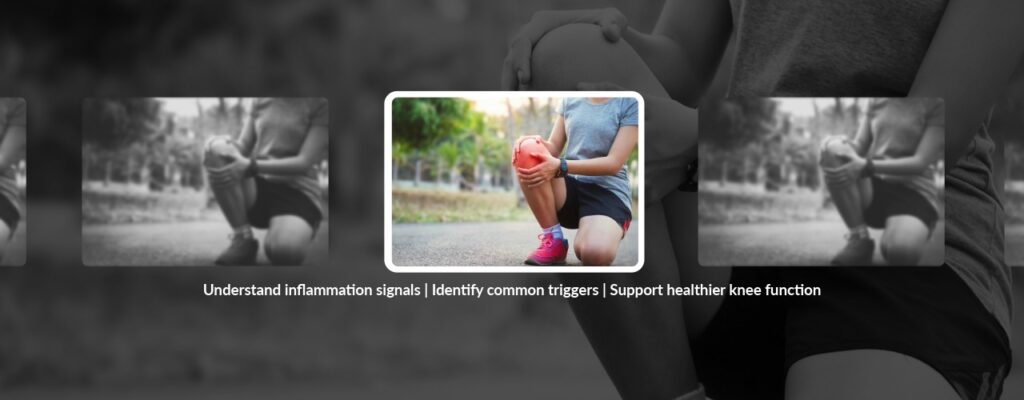
Knee swelling and pain are two of the most common reasons people seek orthopedic care. When swelling appears around the knee, it is rarely a minor inconvenience. It is often the body’s signal that something in the joint needs attention. Whether symptoms came on after a specific activity or built up gradually, understanding what is happening inside the knee can help you make informed decisions about your next step.
What Knee Swelling and Pain Actually Are
The knee relies on bones, cartilage, ligaments, tendons, and fluid-filled structures called bursae to work together smoothly. When any part of this system is stressed or irritated, the body responds with inflammation. That inflammation often shows up as swelling, warmth, stiffness, and pain around the joint. Swelling can appear inside the joint itself or in the surrounding soft tissue. Swelling can limit how well the knee bends, straightens, and handles load during daily activities.
Why Knee Inflammation Happens
Several common drivers can trigger or maintain inflammation in the knee. Overuse is one of the most frequent contributors. Repetitive movement without adequate recovery puts ongoing stress on the joint and leads to irritation that builds over time. A sudden increase in activity or returning to movement after a period of rest can also set this process in motion. Injury to the ligaments, meniscus, or cartilage is another common cause, and swelling is often one of the first signs that tissue has been stressed. Conditions such as osteoarthritis and bursitis also produce persistent swelling that may fluctuate with activity. Weakness in the muscles that support the knee can place uneven load on the joint, leading to irritation over time.
What It Feels Like in Daily Life
Many people notice stiffness first thing in the morning or after sitting for an extended period. The knee may feel thick or tight when bending, and straightening it fully can feel effortful. Stairs often become one of the first activities to feel difficult. Swelling may be visible or may only show up as a sense of pressure or heaviness. Some people notice that the knee feels warm or unstable during movement. When knee swelling and pain begin to limit what you can do each day, that is a clear sign the joint needs attention.
How to Address Knee Swelling and Pain
Modifying activity is often the most important first step. This does not mean stopping all movement, but it does mean reducing activities that consistently aggravate symptoms. Staying off hard or uneven surfaces, wearing supportive footwear, and avoiding prolonged positions that load the knee can reduce daily strain. Movement within a comfortable range helps maintain circulation and prevent stiffness from worsening. Applying ice after activity can help manage localized discomfort.
If you have been managing symptoms on your own without progress, contact Marketplace Physical Therapy & Wellness Center to schedule an evaluation.
What the Evaluation at Marketplace Physical Therapy & Wellness Center Looks For
A thorough evaluation does more than identify where it hurts. Our physical therapists at Marketplace Physical Therapy & Wellness Center look at how the knee moves through its range of motion and where stiffness appears. Muscle strength in the hip and thigh is assessed to identify patterns of weakness contributing to joint load. Joint stability is checked to determine whether the supporting structures are functioning properly. Our physical therapists also observe how the knee responds to load during simple functional movements.
How Treatment at Marketplace Physical Therapy & Wellness Center Helps
Treatment is built around restoring function. Manual therapy helps reduce joint stiffness and improve how the knee moves. Therapeutic exercise rebuilds the strength and coordination of the muscles that support the knee so the joint can handle everyday demands. Neuromuscular training restores the body’s ability to control knee movement during activity and improves confidence in movement. Education helps patients understand what loads the knee and how to modify activity wisely throughout recovery.
When to Seek Care
Seek care promptly if the knee swells rapidly following a fall, collision, or sudden twist. If the knee locks, catches, or gives way during movement, that warrants early evaluation. Swelling accompanied by significant warmth, redness, or fever also needs prompt attention. Persistent swelling that does not improve with rest and activity modification is a clear signal to seek care sooner rather than later.
Ready to Get Answers?
At your first visit to Marketplace Physical Therapy & Wellness Center, your physical therapist will take time to understand your history, your goals, and how your symptoms affect daily life. The evaluation focuses on finding the cause of your knee swelling and pain rather than simply managing symptoms. Contact Marketplace Physical Therapy & Wellness Center to schedule your evaluation and take the first step toward a knee that works the way you need it to.